Posts tagged #Tips & Tricks

Vibe Coding a Desktop Tool with AI

Video by: Reid Havens

This project was built almost entirely using Claude Code through pure vibe coding. No detailed specs.

No formal architecture. Just me giving the LLM ideas, screenshots, and plain-English requests until a real desktop tool existed. In this video, I walk through the Desktop Widget Wall I built and focus on the art of the possible, not the implementation details. This is a non-technical walkthrough meant to show how far you can go when you treat an LLM like a creative collaborator instead of a code generator.

You’ll see how:

  • An idea turns into a working desktop tool

  • Screenshots and rough concepts become real UI

  • AI can iterate on structure, layout, and behavior - “Vibe coding” can replace traditional dev workflows for small tools

  • You can prototype software without writing much code yourself This isn’t a tutorial and it’s not a “how to prompt” video.

It’s a real example of what happens when you lean into AI-assisted building and let the tool do the heavy lifting. If you’re curious about rapid prototyping, personal tooling, or what modern LLMs can actually build, this should give you plenty of ideas.

RELATED CONTENT 🔗

Widget Wall Repo

Posted on February 24, 2026 and filed under Topics & Discussion, AI.

The Invisible Tooltip Trick: How to Hide SVG and URL Tooltips in Power BI Tables

Video by: Reid Havens

Power BI insists on showing raw SVG or URL text when you hover over icons in tables, which makes everything look like a crime scene. This quick technique uses a tiny, blank report-page tooltip to override Power BI’s default behavior, effectively “disabling” tooltips for SVGs and URLs without breaking interactivity. It’s fast, reliable, and doesn’t require DAX sorcery or custom visuals.

Posted on December 2, 2025 and filed under Power BI, Reporting.

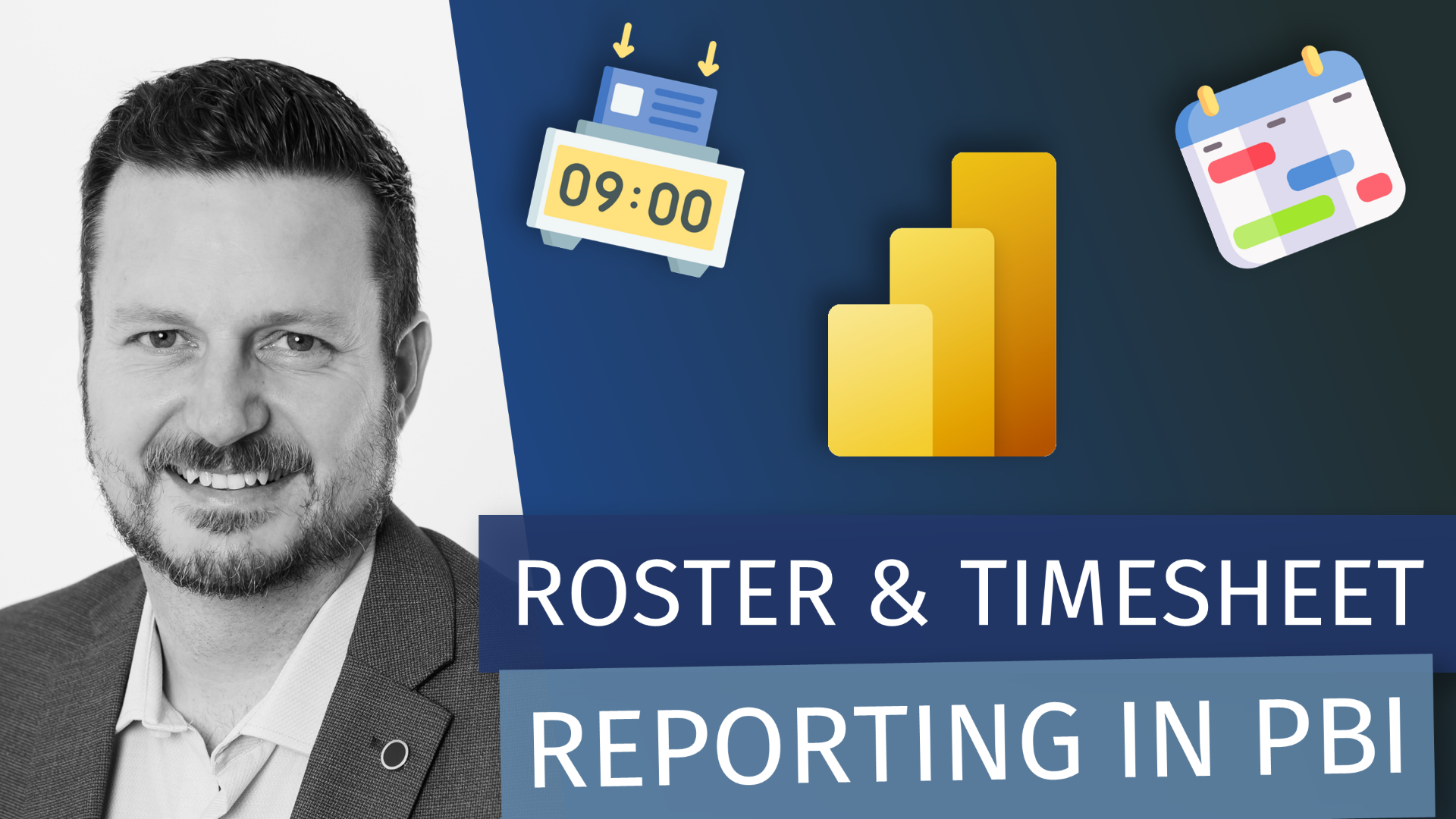
Mastering Roster & Timesheet Reporting: From Minutes to Millions - with Kane Snyder

DATE/TIME 📅

September 5th at 1:30 PM (Pacific Time)

DESCRIPTION 📄

Ready to transform your workforce data from basic hour tracking into strategic business intelligence? This deep dive takes you through real-world techniques for handling complex timesheet analytics with minute-level precision. We'll tackle the challenging DAX calculations, data modeling considerations, and performance optimizations that make the difference between simple reports and enterprise-grade workforce insights that actually drive decisions.

What You'll Learn:

  • Advanced time intelligence DAX for overlapping shifts and complex scenarios

  • Data modeling strategies and optimization for granular timesheet data

  • Roster vs. actual comparison techniques

  • Real-world implementation patterns from enterprise solutions

Perfect for:

Power BI developers, business analysts, and anyone dealing with complex workforce reporting requirements who wants to move beyond basic time summaries to actionable workforce intelligence.

GUEST BIO 👤

I’m Kane Snyder, a Head of Analytics, Principal Fabric Architect and Analytics Practice Lead with deep expertise in Power BI, DAX and Microsoft Fabric. I’ve guided multiple organisations—across banking and finance, tourism, risk management, environmental emissions, HR, IT governance, law, freight, transport and sales—to build end-to-end analytics solutions that balance cost efficiency with business value. I have a background in business management and have held numerous leadership roles both in business and the analytics space.

I live on the Sunshine Coast in Queensland Australia where I spend my time surfing, camping, 4 wheel driving and playing music.

RELATED CONTENT 🔗

SQLBI Events in Progress DAX Pattern
Kanes Blog
Kanes LinkedIn

Posted on September 2, 2025 and filed under Livestreams, Visualizations, Reporting, Data Modeling.

Dynamic Matrix Columns in Power BI: Show/Hide Based on Row Hierarchy

Video by: Reid Havens

Ever wish your Power BI matrix could respond intelligently to what’s visible in the row hierarchy? In this video, I’ll show you how to create a dynamic matrix where column values, like department, title, or other employee attributes appear or disappear based on what’s selected in your row-level hierarchy.

We’ll combine a few clever modeling tricks to keep your matrix clean, relevant, and user-driven. Tune in to learn more!

RELATED CONTENT 🔗

Field Parameters in Power BI

Posted on July 29, 2025 and filed under Visualizations.